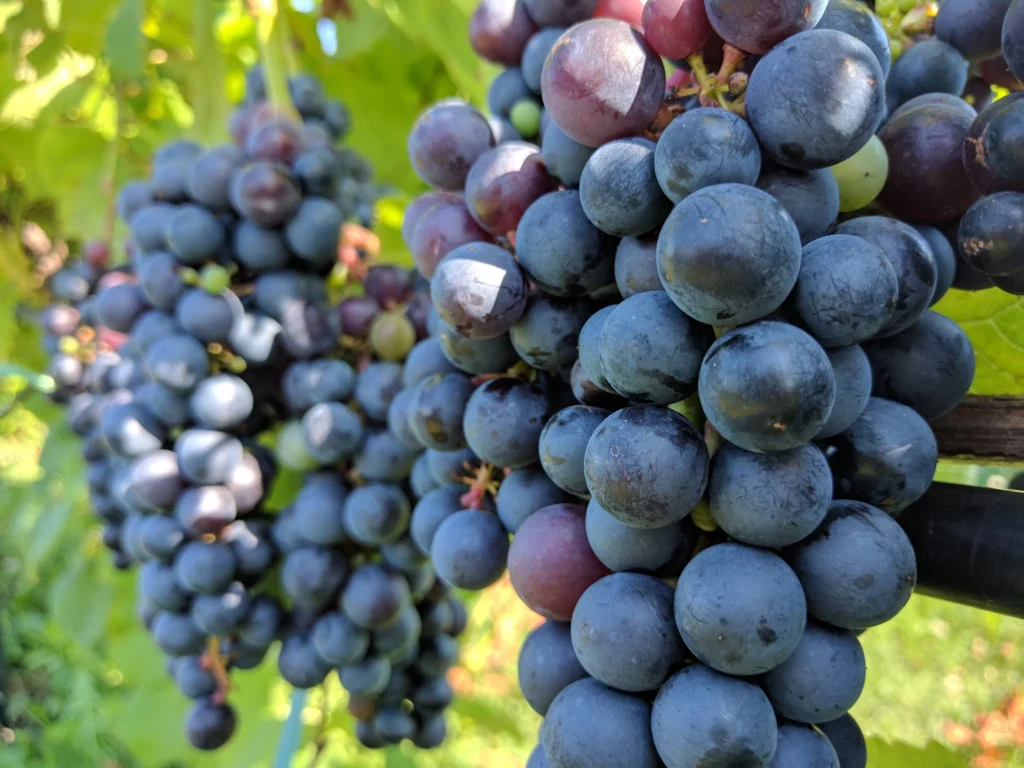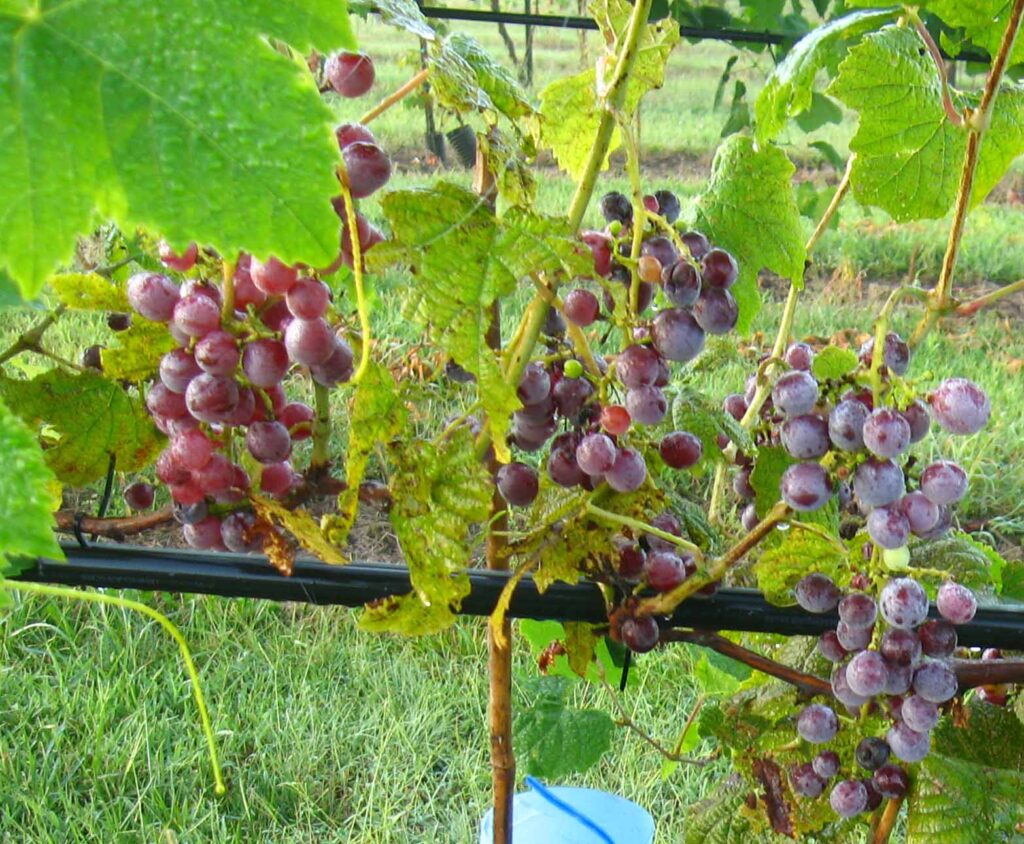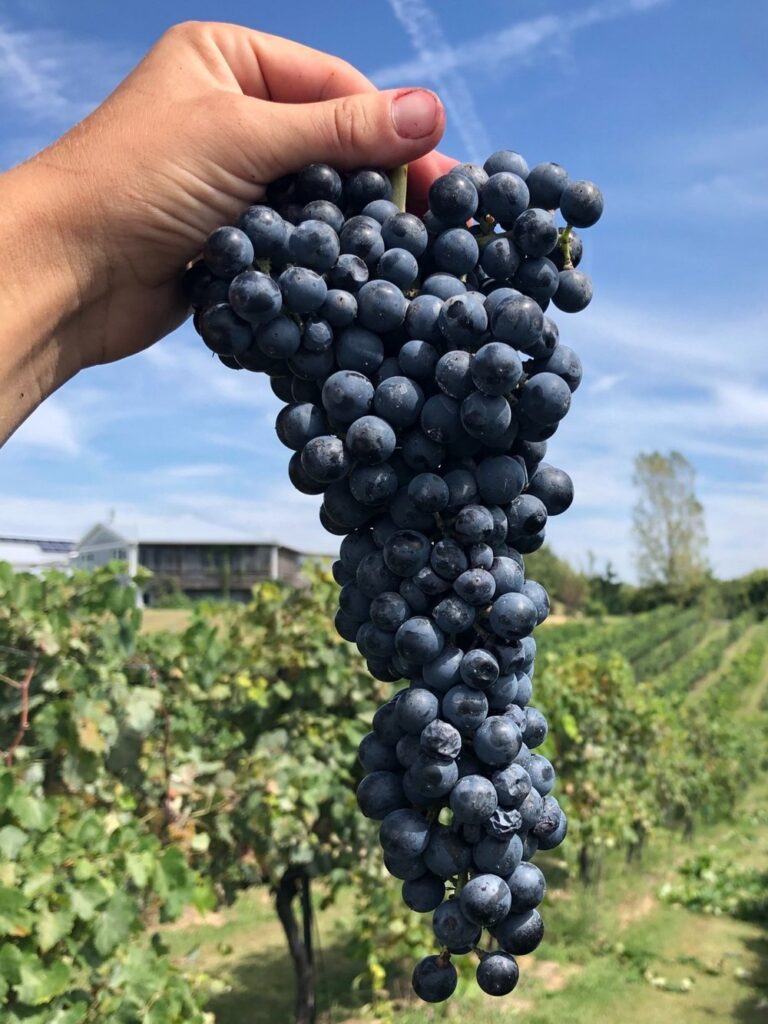
American wine did not grow from imitation alone. In many regions, it grew from observation. Early growers discovered that some European grapes struggled with humidity, pests, and harsh winters. Instead of forcing the land to adapt, they began searching for varieties that already belonged to the climate.
That search led many to Norton.
Unlike imported vines, Norton showed resilience where others failed. It thrived in river valleys, handled heat and cold, and resisted the diseases that often devastated vineyards planted with European varieties. In the 19th century, that reliability made it more than just a local grape—it became a foundation for entire wine regions.
For many growers, Norton represented something deeper than practicality. It was proof that American wine could develop its own identity, shaped by native conditions rather than foreign expectations. Instead of replicating European traditions, these early vineyards were creating something rooted in their own soil.
Today, Norton remains a reminder that great wine does not come from imitation. It comes from understanding the place where it grows.