Wine history is often shaped by crises, and the United States faced two of the most dramatic: phylloxera and Prohibition.
Phylloxera, a tiny root-eating pest, devastated vineyards across Europe in the late 1800s. Many European vines were highly vulnerable, and entire regions were wiped out. But native American grape species had evolved alongside the pest and developed natural resistance.
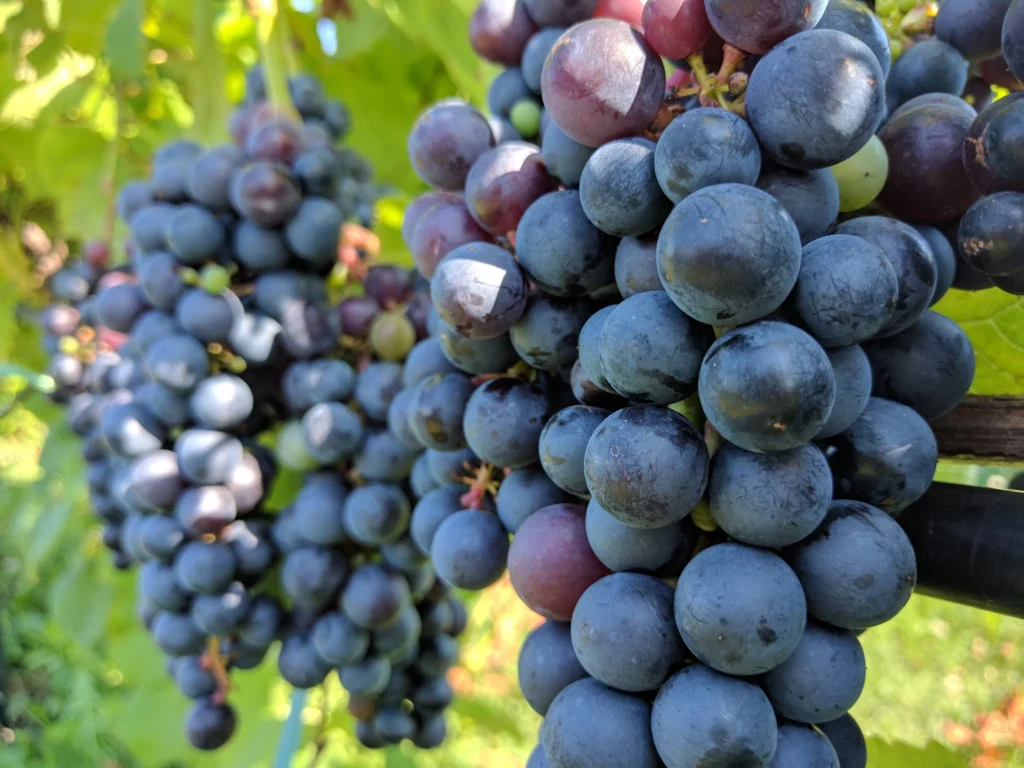
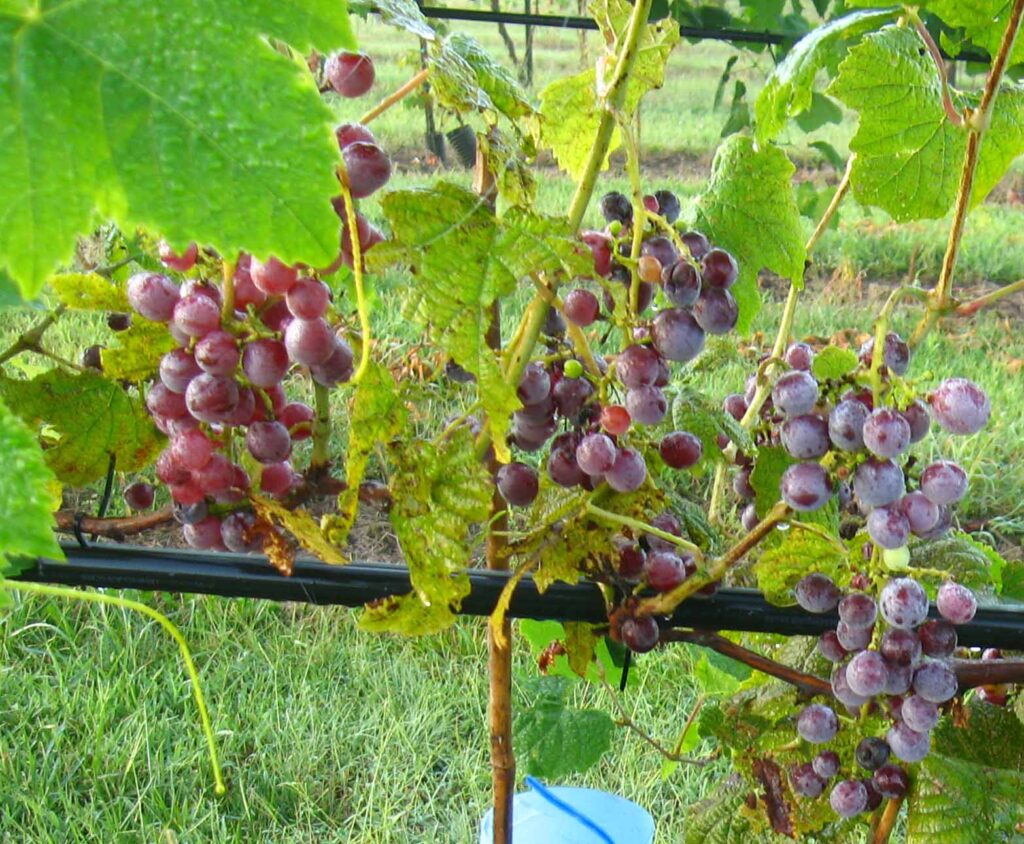
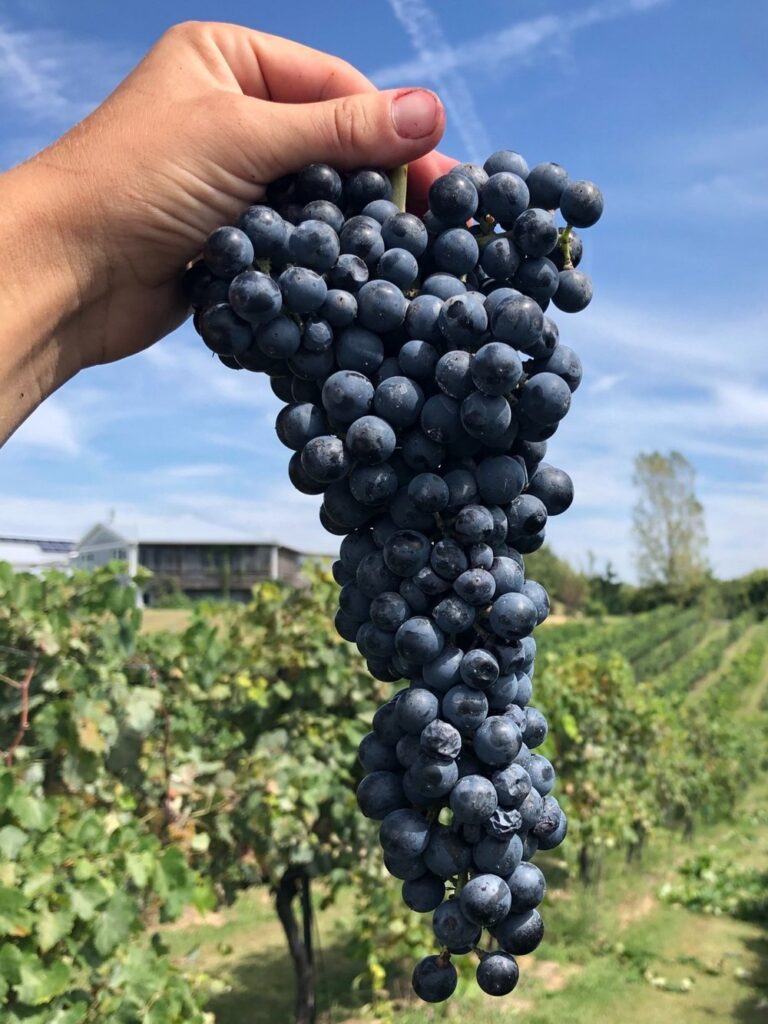
Norton, closely connected to these native species, was part of that story of survival. Its resilience made it valuable in regions where European vines struggled.
Then came Prohibition. From 1920 to 1933, legal winemaking in the United States nearly disappeared. Vineyards were abandoned, wineries closed, and knowledge built over generations was lost.
Yet Norton endured. It survived in home vineyards, in sacramental wines, and in small plantings kept alive by tradition rather than commerce.
When legal winemaking returned, Norton was still there—one of the few grapes that had weathered both biological and political storms. Its survival was not dramatic, but it was meaningful. It proved that some parts of American wine culture were strong enough to last, even when the industry itself nearly vanished.