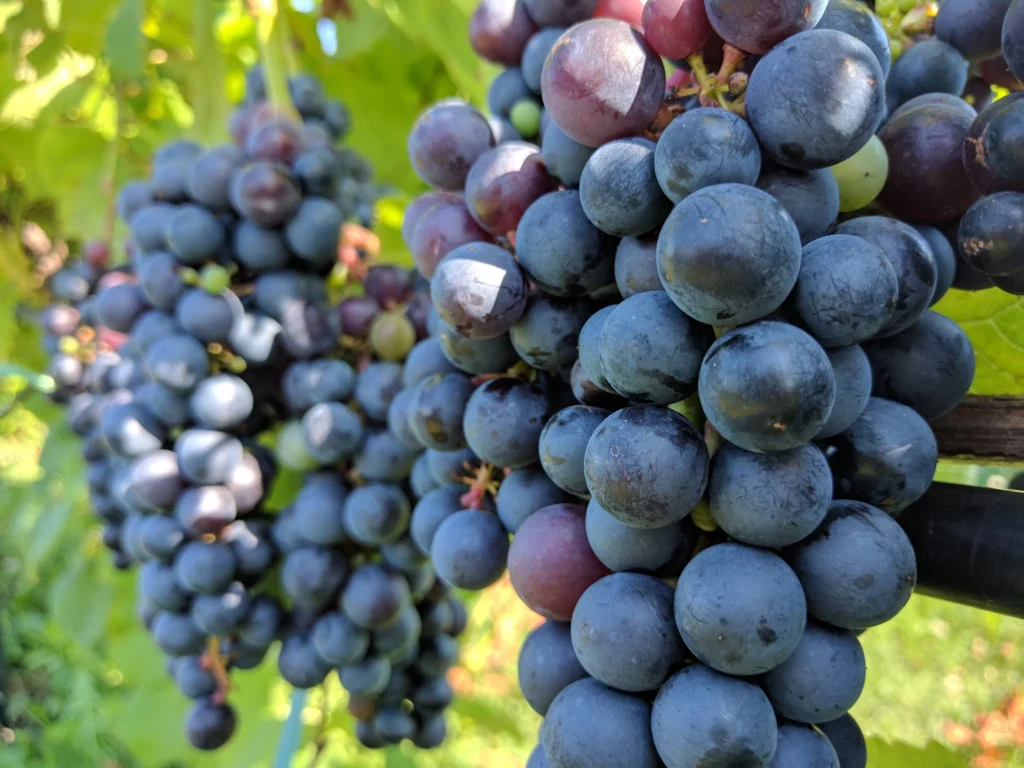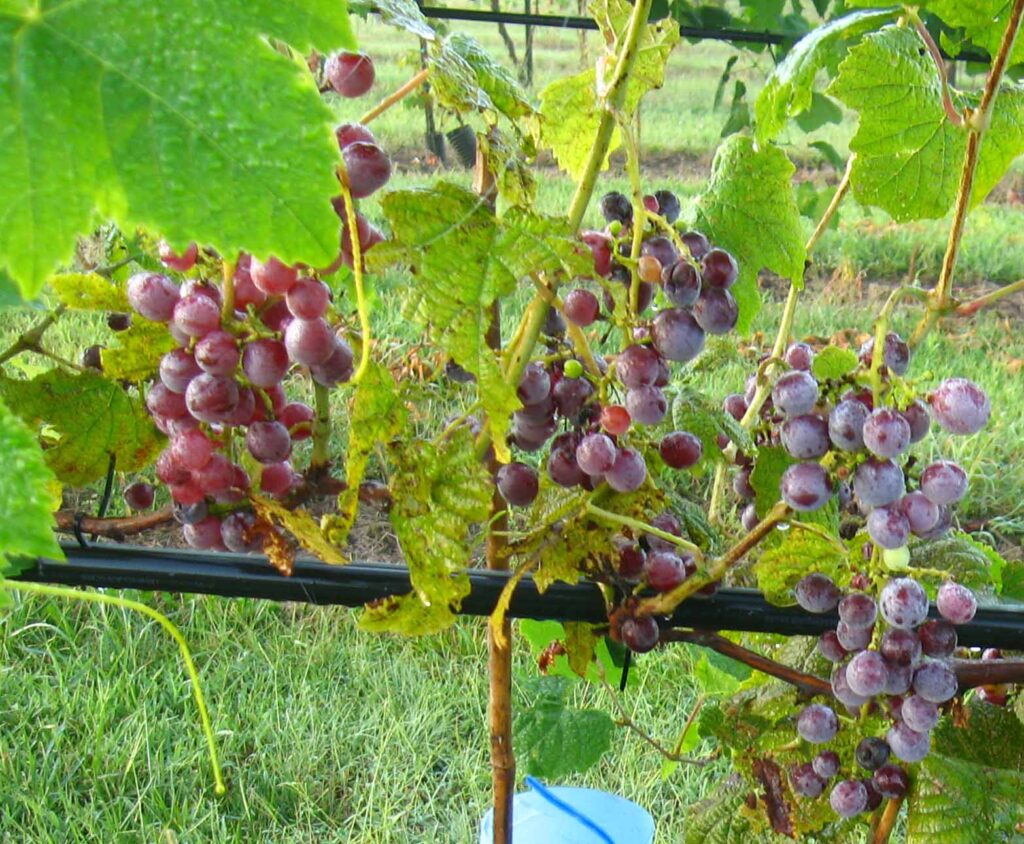
Wine in America did not begin with imitation. It began with curiosity. Long before Cabernet and Chardonnay became familiar words on American wine lists, growers were already asking a more fundamental question: what grows well here?
In many places east of the Rocky Mountains, the answer was not a European import at all—but a grape that had been quietly thriving in American soils for centuries. That grape was Norton. The history of Norton grapes is inseparable from the broader story of American wine, one shaped by place, persistence, and a willingness to work with the land rather than against it.
(For a closer look at the Norton grape itself—its growing characteristics, structure, and winemaker’s notes—you can explore our Norton grape page.)
IMAGE placed here
A Grape Born of This Place
In the early 19th century, as American wine culture began to take shape, Norton emerged as one of the few grapes capable of producing serious, lasting wines under American conditions. Identified and cultivated by the mid-1800s, it became closely associated with native North American grape species, particularly Vitis aestivalis.
Its story is inseparable from the landscapes where it took hold: river valleys, rolling hills, and limestone-rich soils that proved challenging for European vines. Where Vitis vinifera struggled with humidity, disease pressure, and harsh winters, Norton endured. That endurance would quietly shape the course of American wine history.
Dr. Daniel Norborne Norton and a Fortunate Discovery
The grape takes its name from Dr. Daniel Norborne Norton of Virginia, who is often credited with recognizing and propagating it in the early 1800s. Whether he discovered the grape outright or identified its promise among existing vines remains debated, but his role in bringing it into wider cultivation is well documented.
By the mid-19th century, Norton had found an unlikely stronghold far from Virginia: Missouri.
IMAGE placed here
Missouri’s Defining Grape
In the 1800s, Missouri stood at the center of American wine production. German immigrants brought viticultural knowledge with them and quickly learned that European varieties were unreliable in the region’s climate. Norton, however, proved well suited to the task.
It ripened fully in long Midwestern growing seasons, resisted many of the diseases that plagued vinifera vines, and produced wines with depth and staying power—qualities that earned respect beyond local markets.
By the late 19th century, Norton wines from Missouri were receiving international attention. At the 1873 Vienna World Exposition, a Missouri Norton reportedly ranked among Europe’s leading red wines, briefly positioning American wine as something worthy of global consideration.
Surviving What Almost Ended American Wine
Norton’s significance deepened during two defining crises in wine history.
First came phylloxera, the vineyard pest that devastated European vineyards in the late 1800s. Native American grape species had evolved alongside the pest and were naturally resistant. Their roots would later become essential to saving vineyards around the world.
Then came Prohibition. From 1920 to 1933, commercial winemaking in the United States was nearly erased. Vineyards were abandoned, wineries shuttered, and generational knowledge lost. Norton survived largely through medicinal, sacramental, and home winemaking use.
When legal winemaking returned, Norton was still there—quietly waiting.
IMAGE placed here
What Norton Has Traditionally Brought to the Glass
Historically, wines made from Norton were valued for their structure, balance, and ability to age. They offered depth without heaviness and enough natural freshness to remain compelling at the table.
Handled thoughtfully, Norton wines developed savory, layered character over time, reflecting both patience in the cellar and the places where the vines were grown. More than any single flavor profile, Norton became known for reliability and integrity.