
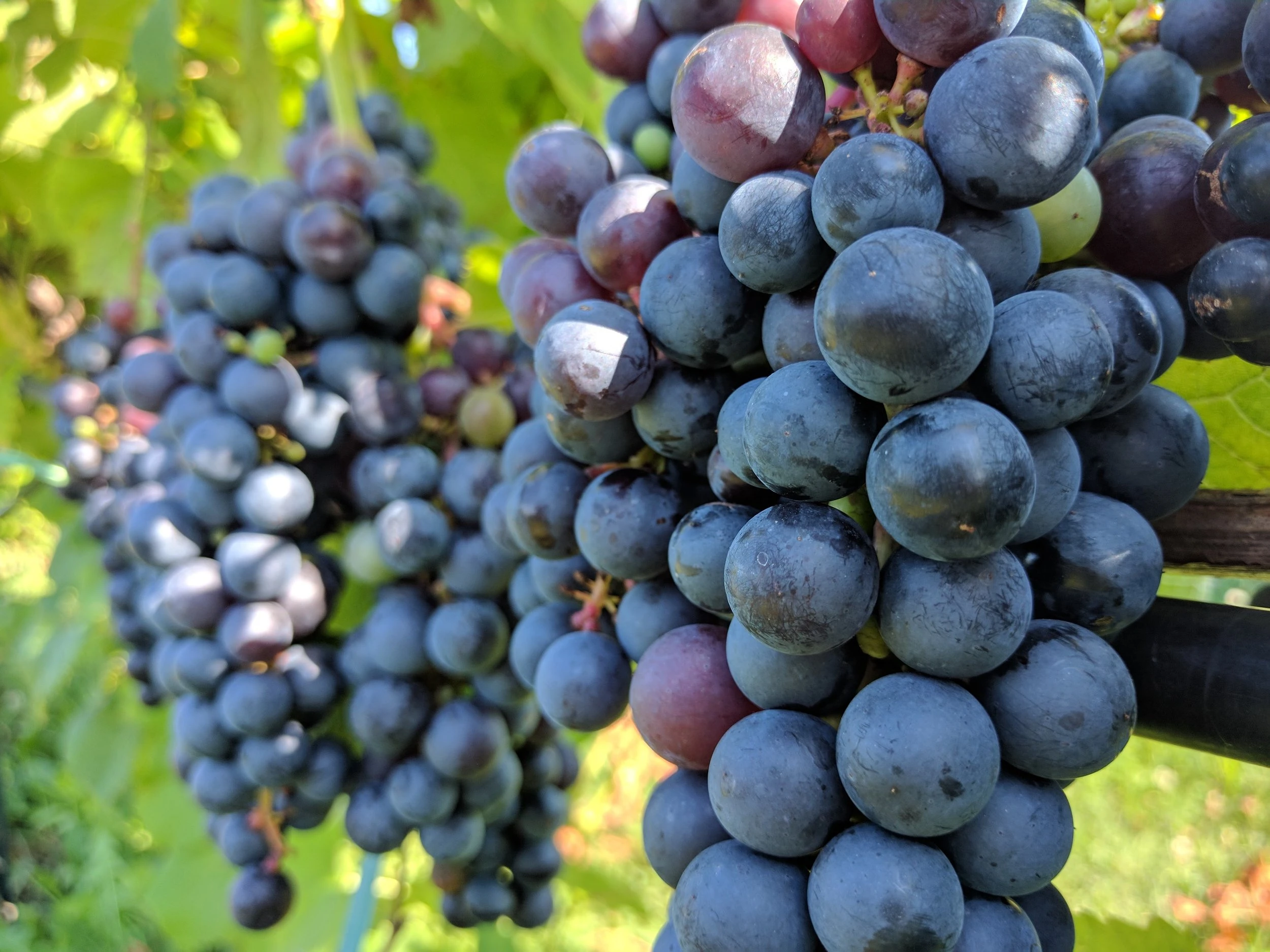
An American Legacy Rooted in History: The Story of Norton Grape
Wine in America did not begin with imitation. It began with curiosity. Long before Cabernet and Chardonnay became familiar words on American wine lists, growers

Built for the Table, Not Just the Vineyard
Throughout the 19th and early 20th centuries, Norton earned a reputation not only for how it grew, but for how it tasted. Growers valued its strength in the vineyard, but winemakers appreciated something else: balance. Norton wines were known for their structure, yet they rarely felt heavy. They carried enough acidity to remain lively at the table and enough depth to evolve with age. Rather than overwhelming the palate, they tended to develop layered, savory character over time. This made
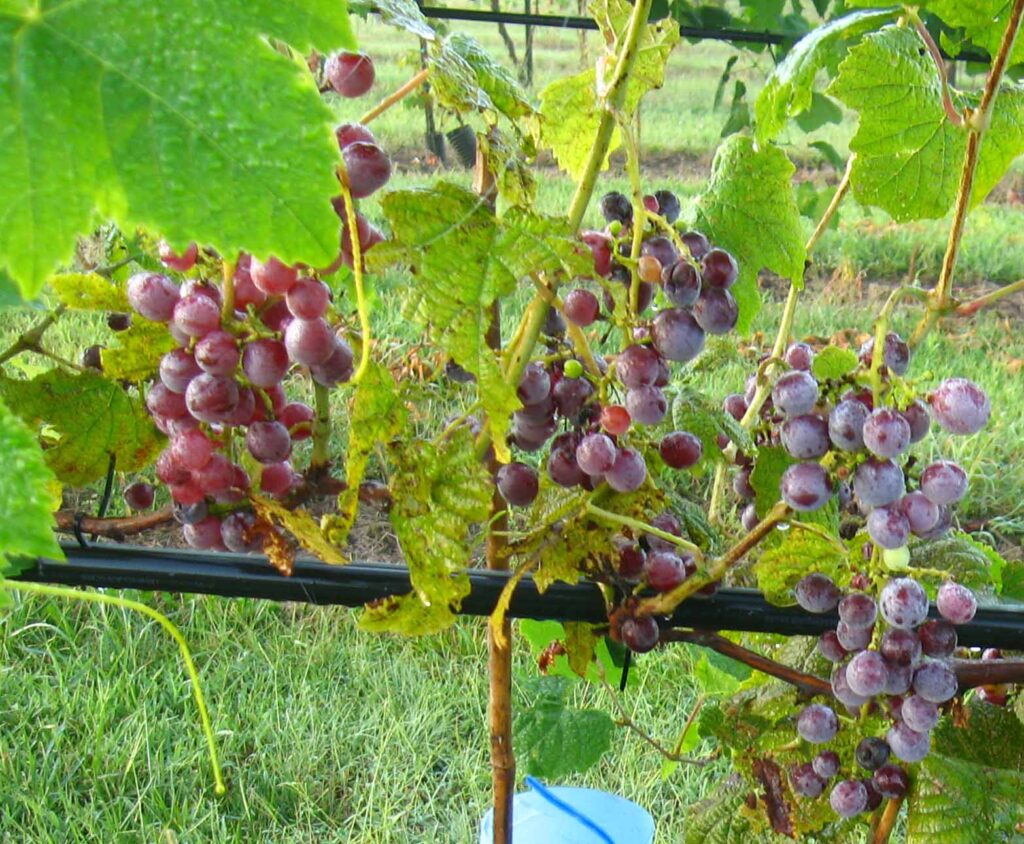
A Native Path to American Wine
In the early years of American viticulture, success was uncertain. Many growers believed that great wine could only come from European grapes, but those vines often struggled outside their native climates. Disease, humidity, and winter freezes made consistency difficult. Norton offered a different path. Instead of forcing European varieties into unfamiliar conditions, growers began working with a grape that already understood the environment. Norton adapted naturally to the rhythms of American seasons. It tolerated heat, endured cold, and showed a
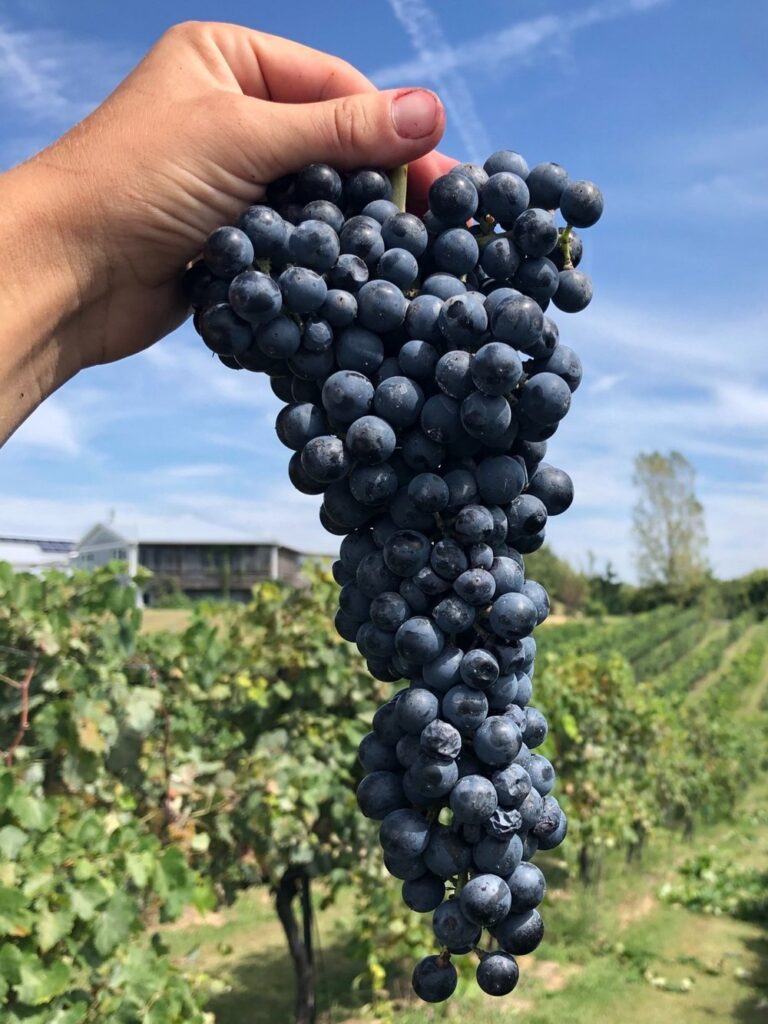
The Grape That Outlasted the Storms
Wine history is often shaped by crises, and the United States faced two of the most dramatic: phylloxera and Prohibition. Phylloxera, a tiny root-eating pest, devastated vineyards across Europe in the late 1800s. Many European vines were highly vulnerable, and entire regions were wiped out. But native American grape species had evolved alongside the pest and developed natural resistance. Norton, closely connected to these native species, was part of that story of survival. Its resilience made it valuable in regions
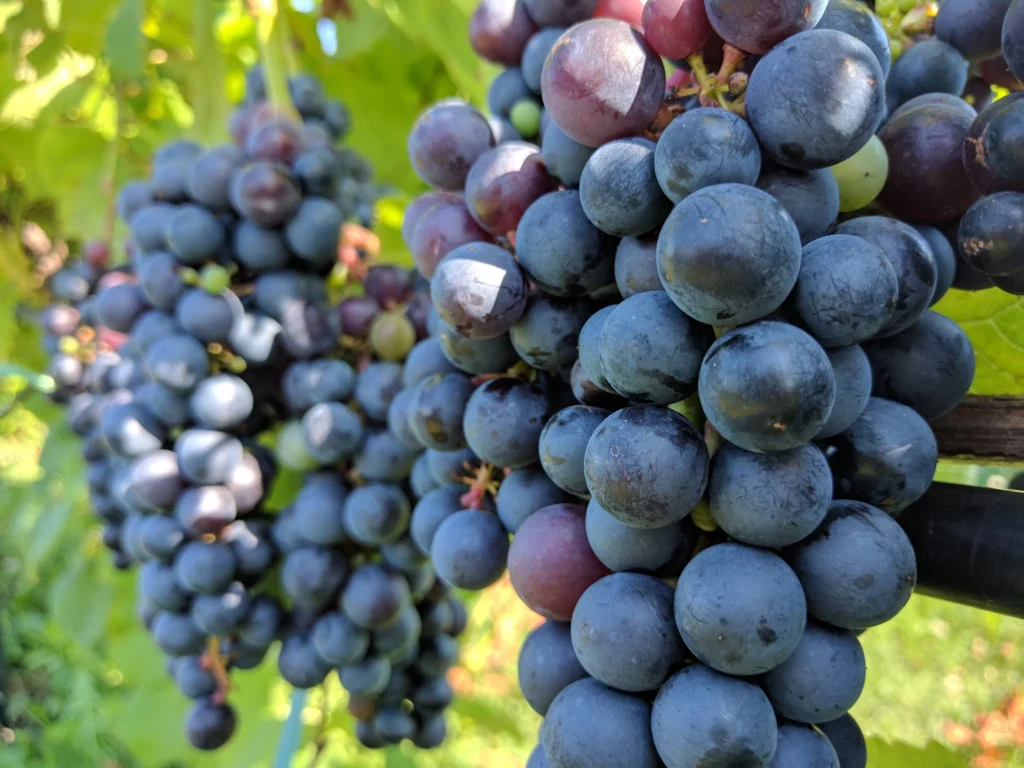
Before the Classics, There Was Norton
Today, Cabernet Sauvignon and Chardonnay dominate American wine lists. But long before those names became familiar, growers were working with grapes that could actually survive in local conditions. In the 1800s, European varieties often failed east of the Rockies. Summers were humid, winters were harsh, and diseases spread easily. Many early vineyards were lost before they could even produce consistent harvests. Norton changed that. It ripened reliably, resisted many common vineyard threats, and produced wines with structure and aging potential.

A Grape That Learned the Land
American wine did not grow from imitation alone. In many regions, it grew from observation. Early growers discovered that some European grapes struggled with humidity, pests, and harsh winters. Instead of forcing the land to adapt, they began searching for varieties that already belonged to the climate. That search led many to Norton. Unlike imported vines, Norton showed resilience where others failed. It thrived in river valleys, handled heat and cold, and resisted the diseases that often devastated vineyards planted